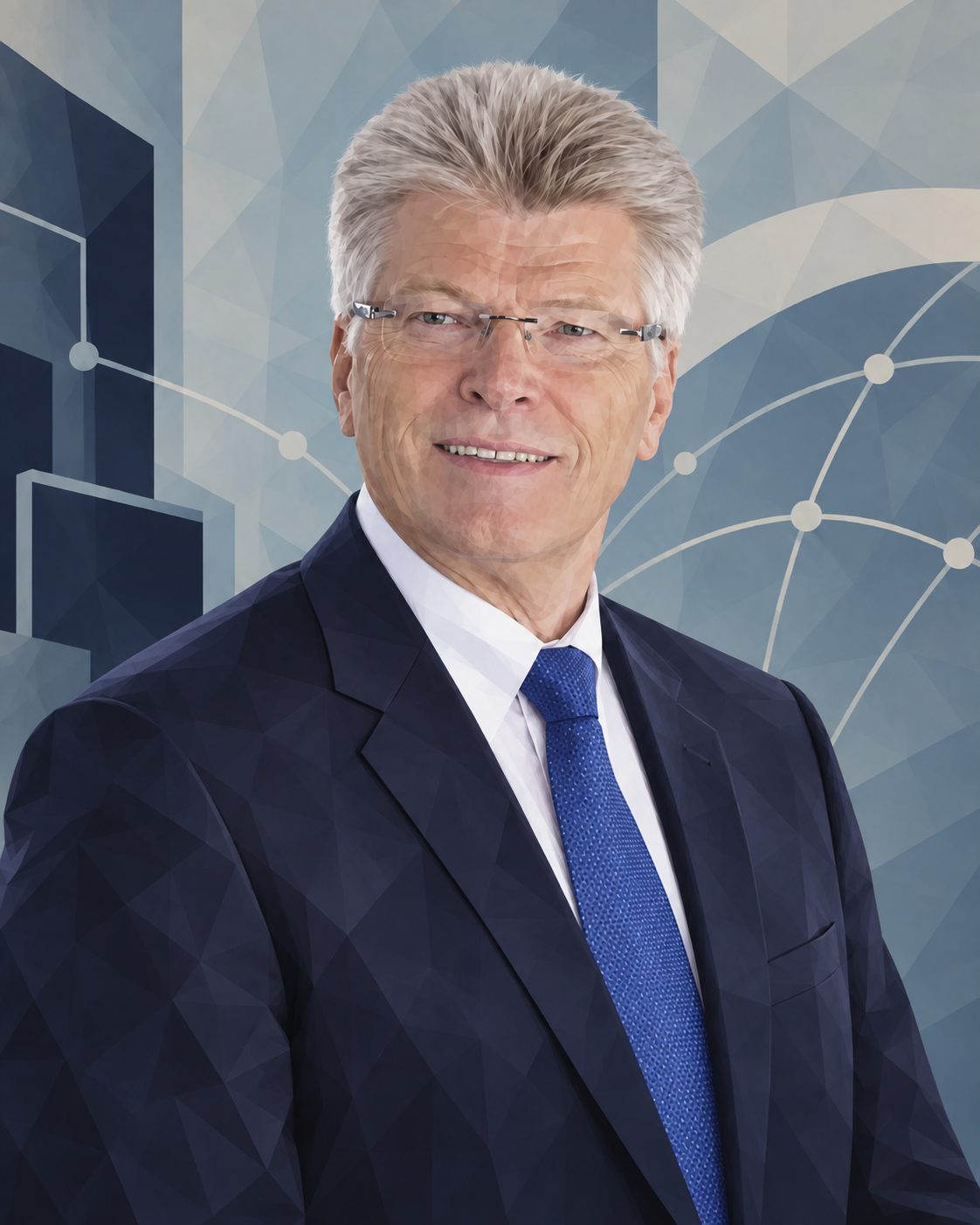
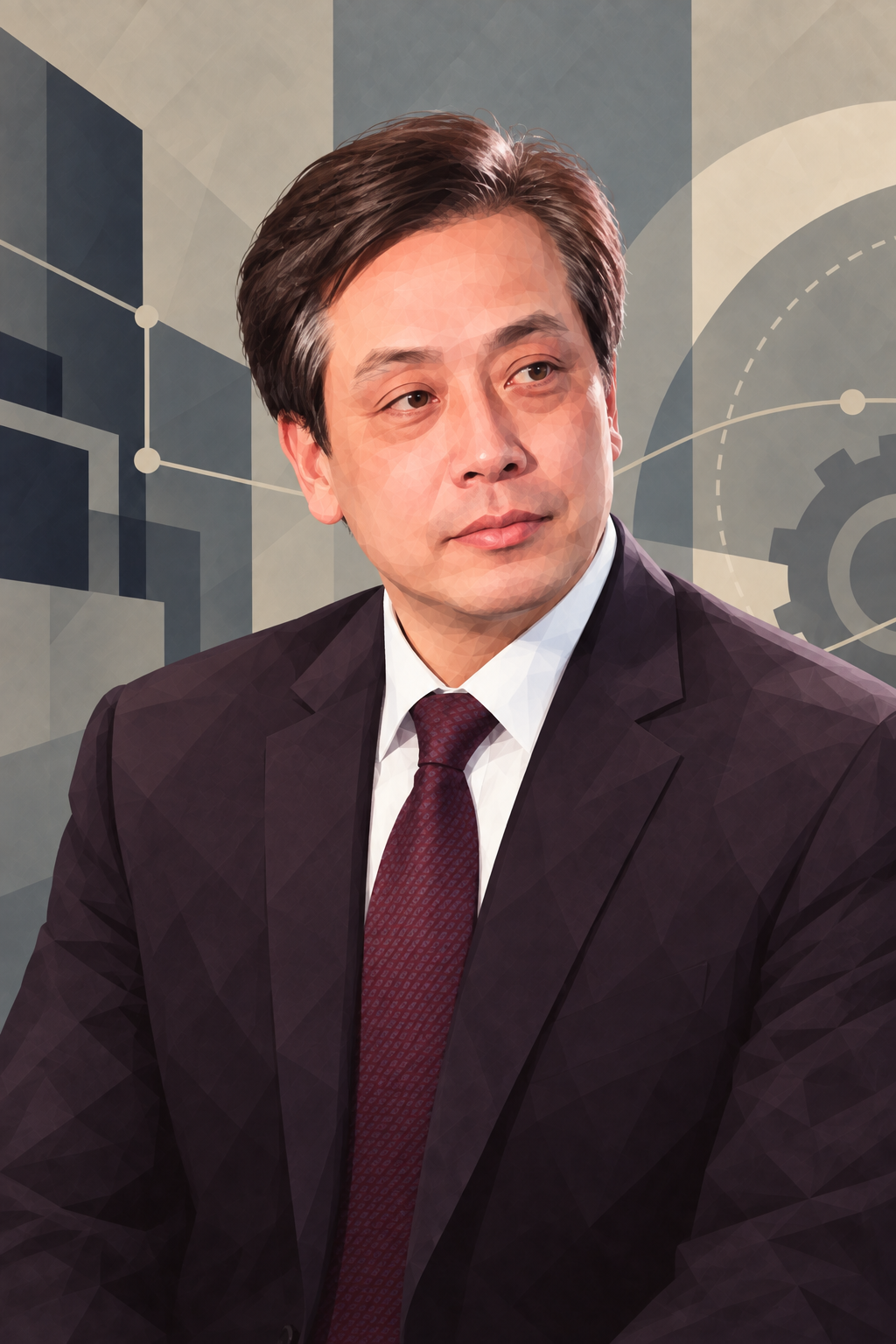
James Dyson spent years developing cyclonic vacuum technology after an earlier manufacturing venture, then built a privately held engineering company around the products he designed. [1][2]
Design work before the vacuum business
Dyson studied art and design before working with inventor Jeremy Fry, then left to develop the Ballbarrow and other products. Forbes records that the early venture relied on bank debt and investment from his brother-in-law, and that Dyson was eventually pushed out after disagreements over financing and product development. [2]
While working on the Ballbarrow business, Dyson encountered industrial cyclone technology and began applying the same principle to vacuum cleaners. His company says he built 5,127 prototypes over several years before producing a bagless design that worked reliably enough for commercialization. [1][2]
From licensing to a global engineering company
After manufacturers repeatedly declined to back the design, Dyson first licensed the technology in Japan and later used licensing income and bank financing to launch his own branded vacuum in the early 1990s. The private company subsequently expanded into air treatment, hair care and other engineered products, leaving founder ownership of Dyson as the durable basis of his fortune. [1][2][3]
The financing path also shows why the value of Dyson the company is not the same thing as James Dyson's personal cash wealth. Licensing income and debt helped build the operating business, while his long-term economic outcome came from retaining ownership in the private company as its product portfolio and international scale expanded. [2][3]
Sources for background
Sources reviewed Sep 15, 2026.
- James Dyson · Dyson
- Inside Billionaire James Dyson's Reinvention Factory: From Vacuums To Hair Dryers And Now Batteries · Forbes · Aug 24, 2016
- James Dyson · Forbes · Mar 10, 2026
Comparable Manufacturing billionaires
Similar Manufacturing billionaires by estimated net worth.