

Billionaire Research
How Oprah Winfrey Built a Media Empire by Owning the Show
The decisive move in Oprah Winfrey's fortune was the shift from paid host to producer-owner. Here's what the Harpo, OWN and licensing records actually show.
Watch video →Search the video library or narrow it by the research topic attached to the original article.
15 videos in the library.
The decisive move in Oprah Winfrey's fortune was the shift from paid host to producer-owner. Here's what the Harpo, OWN and licensing records actually show.
Watch video →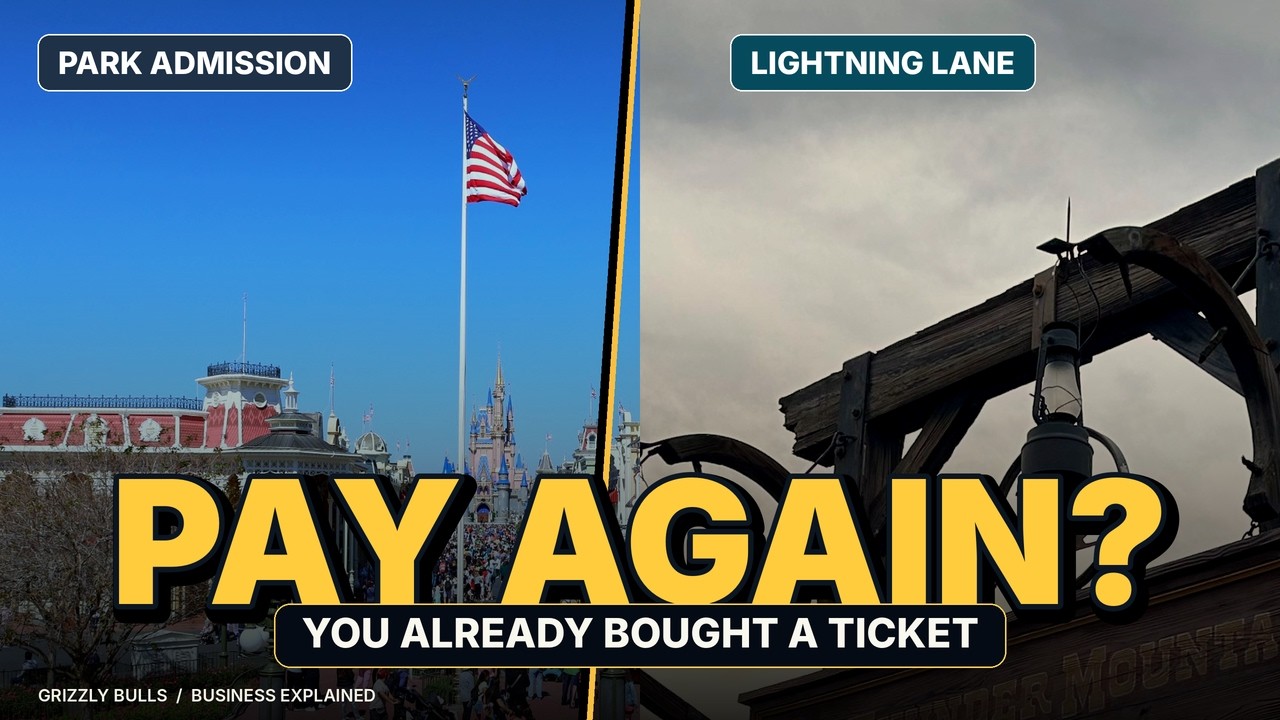
A faster line at Disney World is really a market for scarce ride capacity and vacation time. Here is what Lightning Lane buys, what Disney reports, and what we still cannot know.
Watch video →
Exploratory Tesla-SpaceX merger talks raise difficult questions about the exchange ratio, existing cross-holdings, valuation and unequal shareholder voting rights.
Watch video →
SpaceX's Mars-linked Elon Musk award combines an extreme valuation ladder with a permanent million-person Mars condition, while the restricted shares already carry enormous voting power.
Watch video →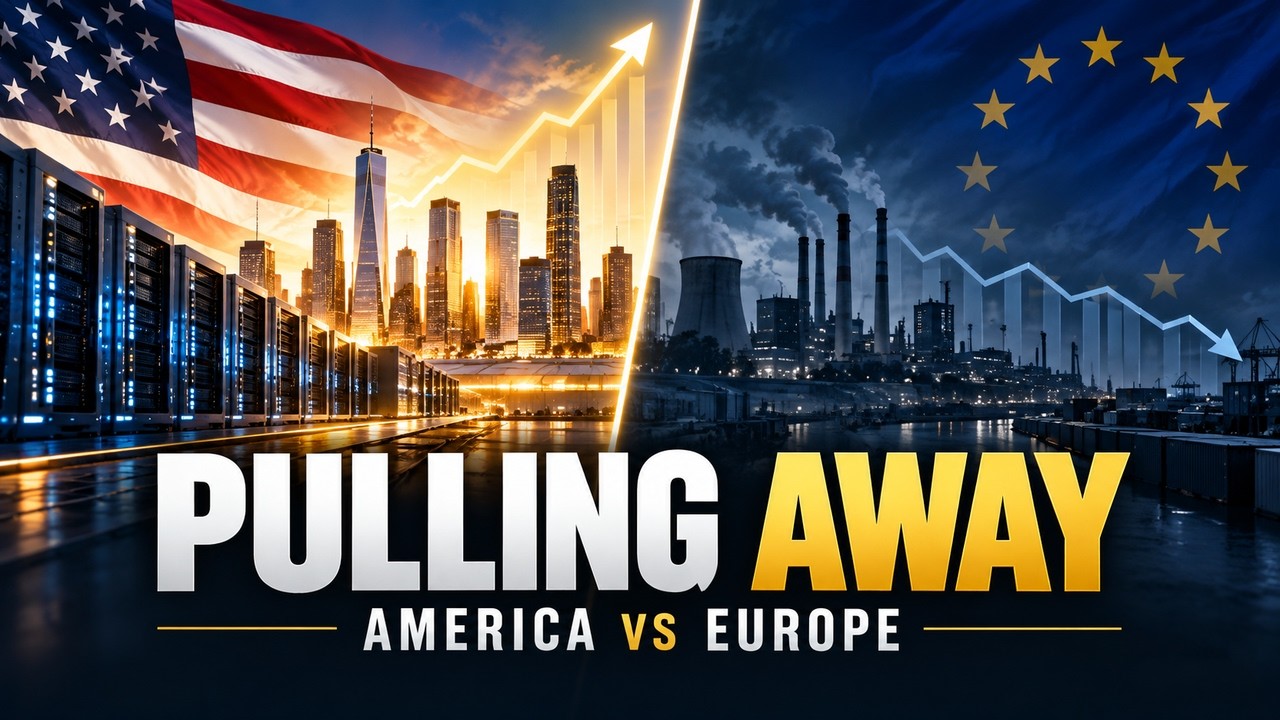
America's growth advantage over major European economies is not just an AI story. Productivity, scale, capital formation, incentives and talent help explain why the gap widened.
Watch video →
Archegos did not collapse because of leverage alone. Concentrated swaps, fragmented prime brokers, weak controls and a failed standstill turned falling stocks into a liquidation race.
Watch video →
George Lucas built Lucasfilm to preserve creative control, took capital risk to keep it, and eventually sold the company to Disney in a cash-and-stock deal.
Watch video →
Rihanna's wealth story is less about celebrity endorsements than turning global attention into retained ownership of scalable consumer businesses.
Watch video →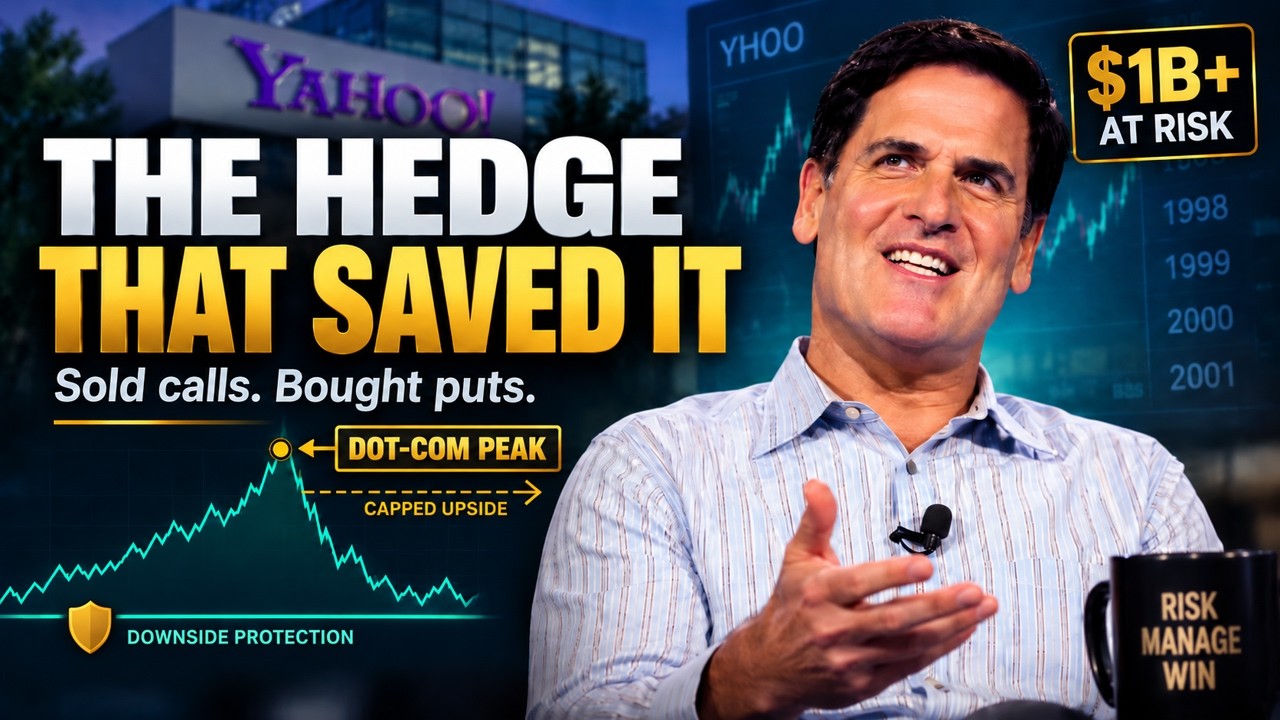
Yahoo's Broadcast.com deal left Mark Cuban concentrated in Yahoo stock. His response was a collar: sell calls, buy puts, give up some upside, and protect the downside.
Watch video →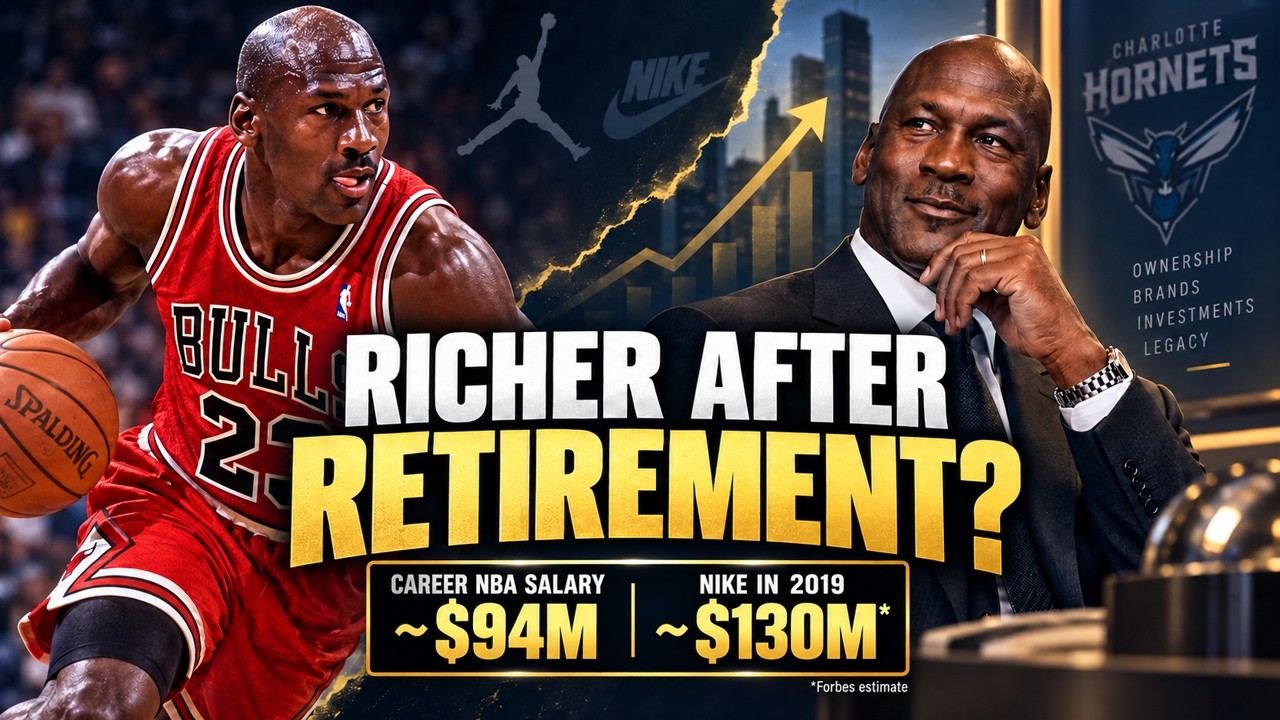
Michael Jordan's wealth story is less about NBA salary than turning fame into percentage product economics, a durable brand, and later team ownership.
Watch video →
Taylor Swift's fortune is easier to understand as a compounding system of songwriting, fan loyalty, reinvention, execution, and growing business control.
Watch video →
The 10-year minus 3-month yield curve sent an unusually strong recession warning. The better lesson is not that the signal failed, but that probability is not prophecy.
Watch video →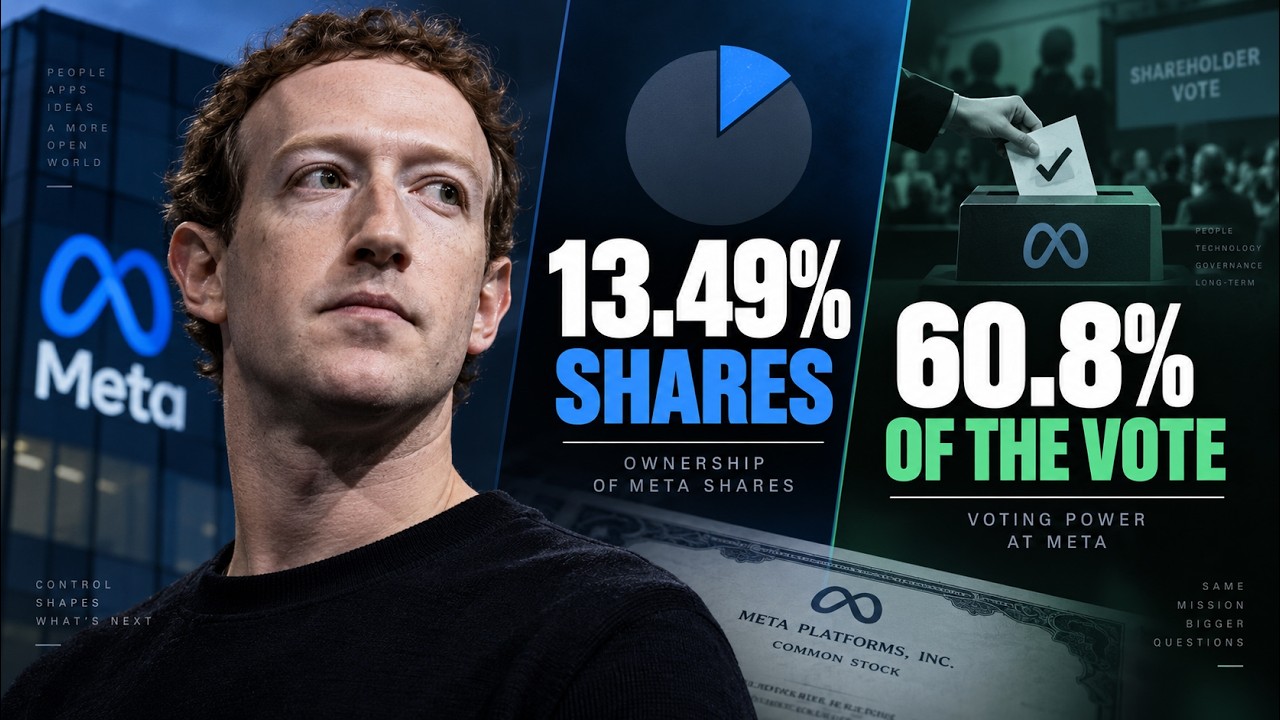
Mark Zuckerberg does not own a majority of Meta's shares. A dual-class stock structure still gives him 60.8% of the vote, and the history shows why that distinction matters.
Watch video →
Jensen Huang's fortune makes more sense as a three-decade story of survival, platform building, and retained founder ownership than as a sudden AI windfall.
Watch video →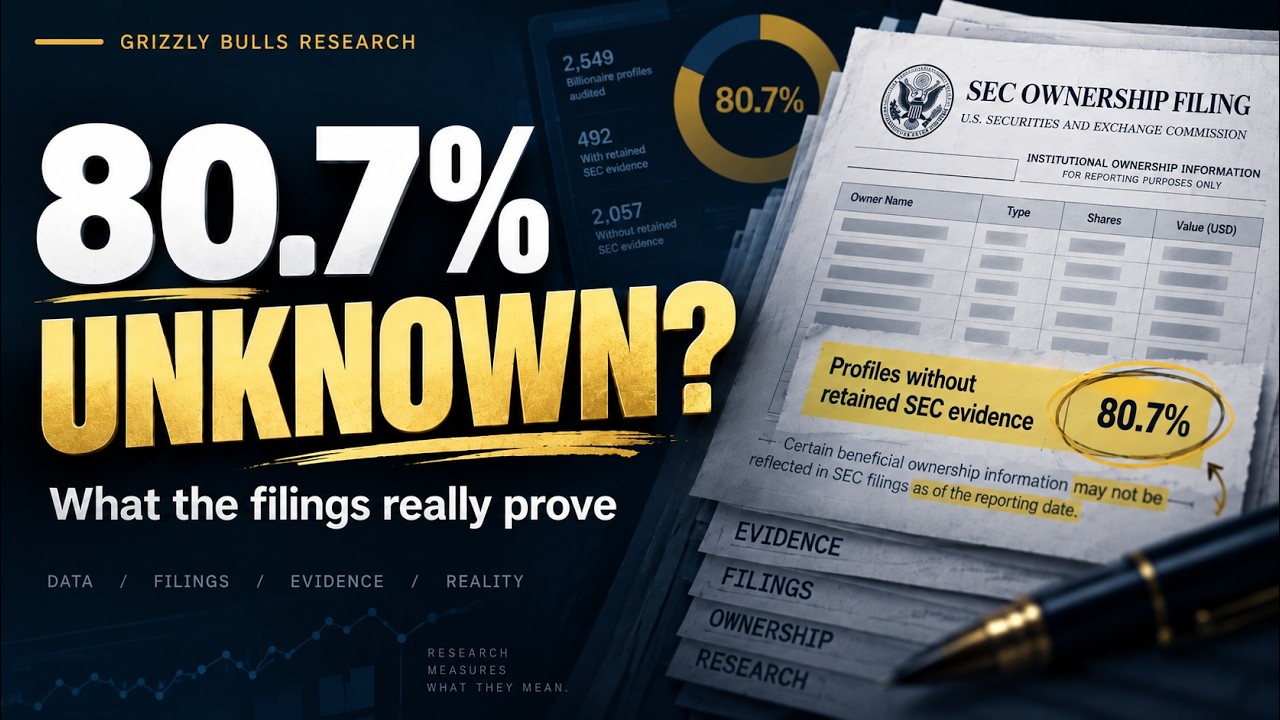
A source-backed audit of billionaire public-stock ownership shows why SEC filings alone leave major gaps—and why missing evidence must not be mistaken for no holdings.
Watch video →